Issue 278
Building Latin America's phage network: a journey to Phage Option 2024
 Natalia Paola Echeverría
 Florencia Pia Payaslian
 Dacil Rivera
 Santiago Hernandez
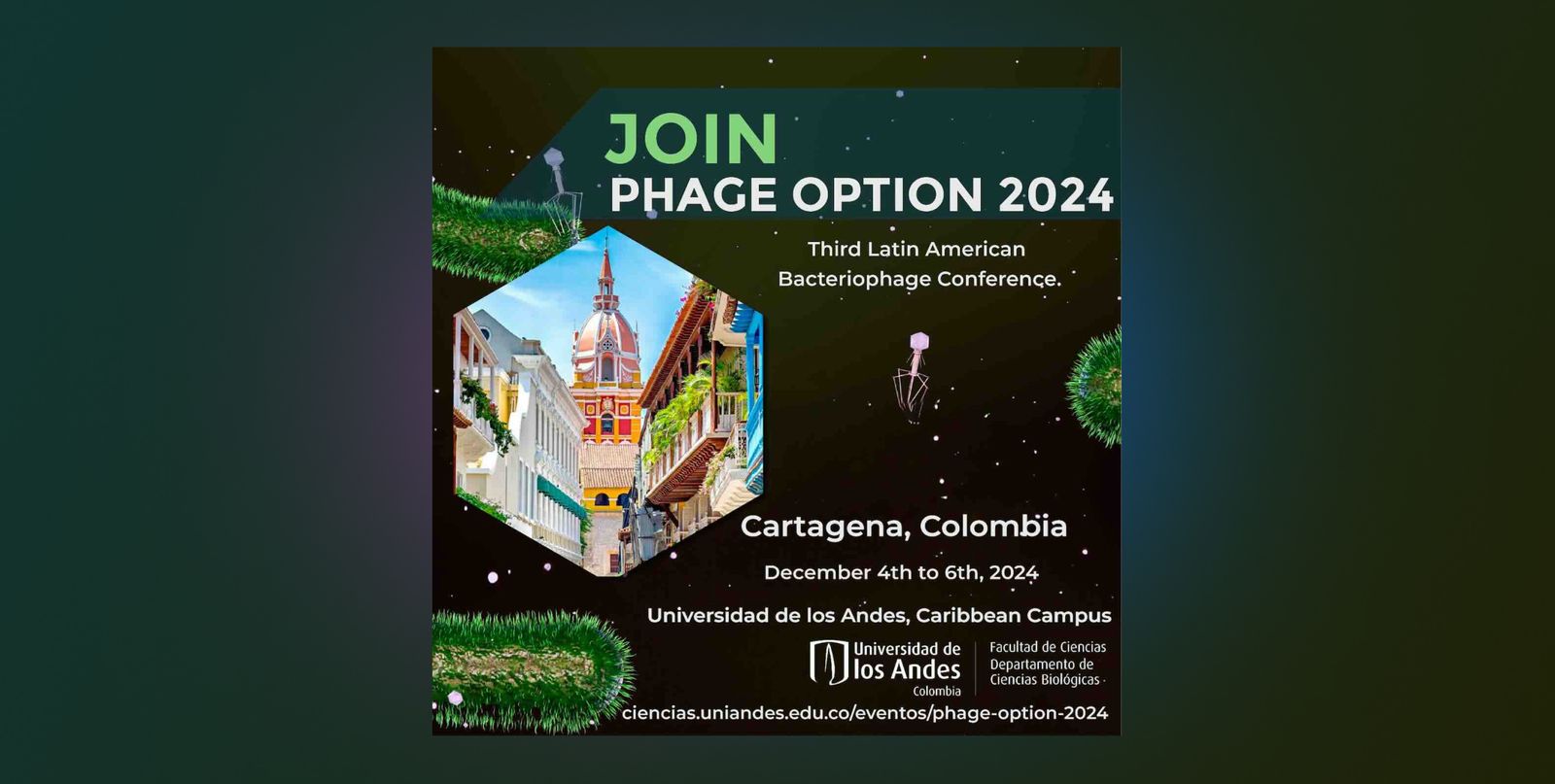
'Phage Option 2024' in Cartagena, Colombia is happening this December! This week we learn the story of its organizers, a group of mostly female Latin American scientists, and how they've advanced phage science by forming networks and hosting courses and conferences over the past 9 years.
Sponsor
Sponsor
Attention phage scientists seeking their next awesome role! Eligo Bioscience (Paris, France) is recruiting for several positions!
At Eligo, we are passionate about developing new drugs to address microbiome-associated unmet medical needs, as highlighted by our recent publication in Nature.
To join our team and bring our exciting technology to the clinic, we are currently seeking:
• A Senior biochemist scientist to perform phage-derived particles manufacturing and process development • A Microbial synthetic biologist to engineer non-model bacteria and phages • A Bioinformatics scientist to help characterize target bacteria and improve the design of our phage particles
Join us as we build the future of precision microbiome medicines!
Community digest5updates5jobs3posts
Updates
Katrine Whiteson (University of California, Irvine) has been awarded a Pilot Program grant for phage therapy research by the Susan Samueli Integrative Health Institute to develop and refine phage therapy protocols for treating antibiotic-resistant infections.
Yuval Mulla (University of Cologne) and colleagues quantified phage amplification rates using a mathematical model called PHORCE, showing that amplification rates of E. coli phages vary widely and that phage-antibiotic interactions depend primarily on the antibiotic type.
Stephen Tang (Columbia University) and colleagues described de novo gene synthesis by an antiviral reverse transcriptase, showing a novel approach to gene synthesis.
Adrián Cortés-Martín (University College Cork) and colleagues published a new paper on isolation and characterization of Septuagintavirus, showing a novel clade of Escherichia coli phages within the subfamily Vequintavirinae.
Célia Souque (Harvard Medical School) and colleagues published a new paper reviewing evolutionary mechanisms driving antibiotic resistance at different scales.
Jobs
Archana Anand has announced that the BRaVE Phage Foundry at Lawrence Berkeley National Laboratory is hiring postdocs and research assistants. The team is particularly interested in candidates with a passion for viruses, wastewater research, and bioinformatics.
Tolka AI Therapeutics (now backed by Khosla Ventures!) is a biotech startup in Miami, Florida focused on developing phage therapy for M. abscessus infections. Tolka is hiring a Microbiology Intern to assist in phage hunting and developing treatments for antibiotic-resistant infections.
Friedrich Schiller University Jena is hiring a PhD student to study phage-host interactions and single-cell transcriptomics in microbial infections.
The University of Otago is hiring a postdoc to contribute to phage-based biocontrol research for agricultural pathogens in Dunedin, New Zealand.
The Westmead Institute for Medical Research is hiring a Senior Research Assistant to assist in developing therapeutic plasmids targeting antimicrobial resistance in bacteria.
Community board
In episode 2 of the Podovirus podcast, 'Getting Phage Research Funded', Jessica Sacher interviews Dr. Joe Campbell, who spent the past decade+ as a program officer at NIAID, the US gov's main infectious disease funding body.
Dr. Campbell reflects on his role in making it easier for phage research to get NIH funding, and shares his perspective on what's next for the field, including the growing importance of phage therapy centers like Phage Australia and Phage Canada.
Subscribe to Podovirus to get the next one, which will be an interview with Dr. Jesus Fernandez of Eligo Bioscience about their recent paper on microbiome editing with engineered lambda phage!
Daria Van Tyne (University of Pittsburgh) received a $70K grant to optimize phage therapy for Burkholderia spp. infections, showing potential advancements in treating cystic fibrosis patients. Also, Daria has just been promoted to Associate Professor! Congrats Daria!!
Dr. Siân Owen was interviewed the You Make Me Sick podcast about her work using experimental evolution and computational approaches to study AMR bacteria and phages during her postdoc at the Baym Lab at Harvard Medical School. She announced she’s now starting her own lab at the Wadsworth Center in Albany, New York — congrats Siân!!
Inaugural International Course on Bacteriophages in Argentina
The Latin American phage community would not be possible without the support and incentive of the great Betty Kutter. It all started in 2011 at the Evergreen Bacteriophage Conference when Betty encouraged the network of bacteriophage scientists from Latin America by introducing Mariana Piuri (University of Buenos Aires, Argentina) to Martha Vives (Universidad de Los Andes, Colombia), giving rise to the Latin American bacteriophage community that has only grown from that moment on. Only one year before, in 2010, Martha Vives had organized the first Colombian Phage and Phage Therapy meeting, with great invited speakers, among which was Betty. This meeting was, to the best of our knowledge, the first ever phage meeting in our continent.
Inspired by her postdoctoral years in Graham Hatfull’s lab and the Phage Hunters Program, Mariana Piuri (Figure 1), together with Raúl Raya from CERELA Institute in Argentina, who had worked with Betty at Evergreen State College, organized the first International Course on Bacteriophages at the Faculty of Exact Sciences of the University of Buenos Aires (UBA, Argentina) in 2015.
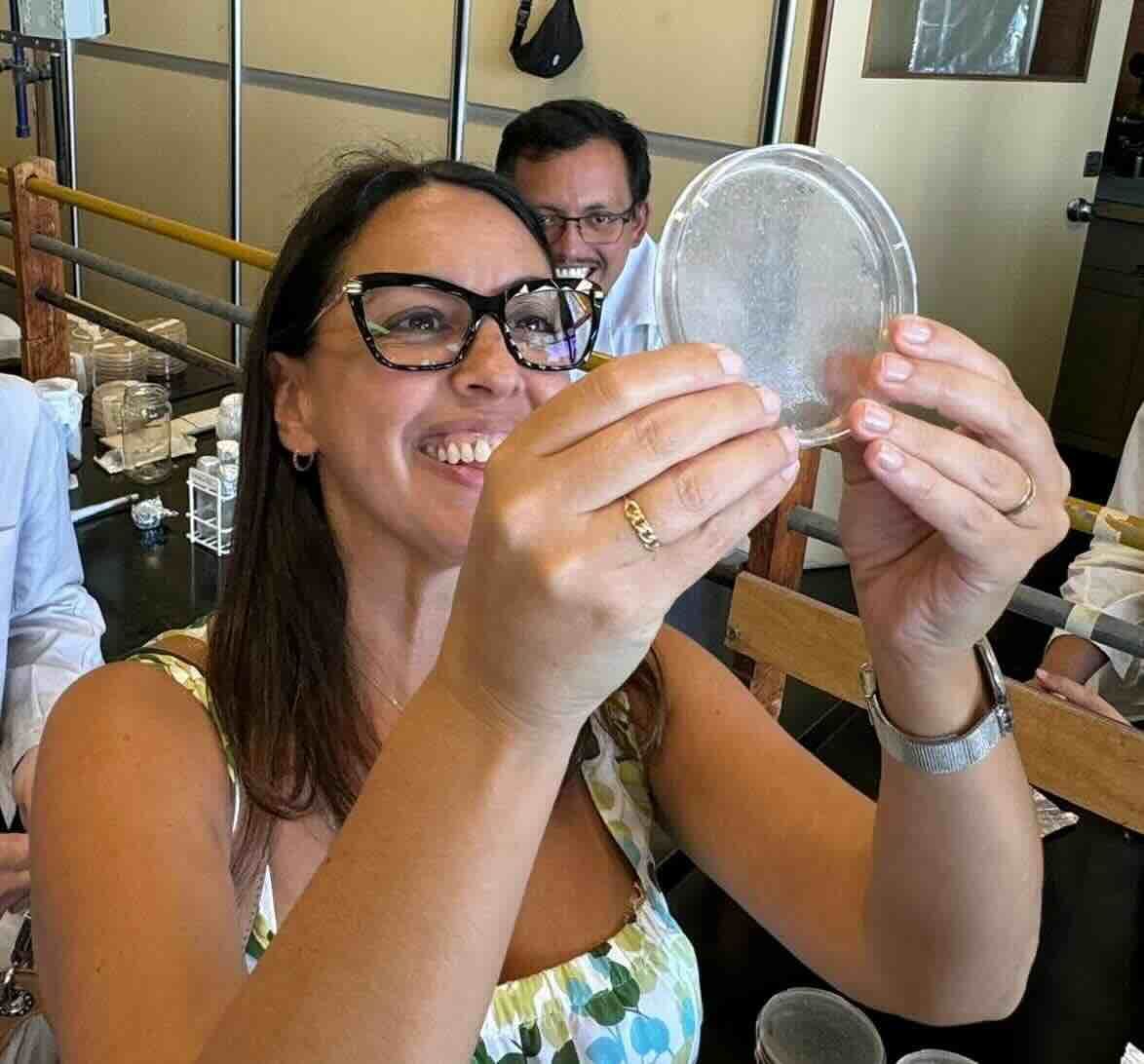
Figure 1. Mariana Piuri observing a petri dish showing extensive phage-derived lysis (2024 course edition)
The primary goal of this course was to boost interest in phage research and foster a collaborative network within Latin America. It also aimed to facilitate interactions between students and internationally acclaimed professors. It was an excellent opportunity to enhance connections between Latin American and international laboratories in the bacteriophage field, fostering new collaborations and scientific exchanges. This course was an intensive 80-hour program comprising lectures and hands-on laboratory sessions (Figure 2), both wet and dry. Participants isolated and characterized bacteriophages from Mycobacterium and Lactobacillus genera found in soil and raw milk samples, followed by comprehensive bioinformatic analyses.
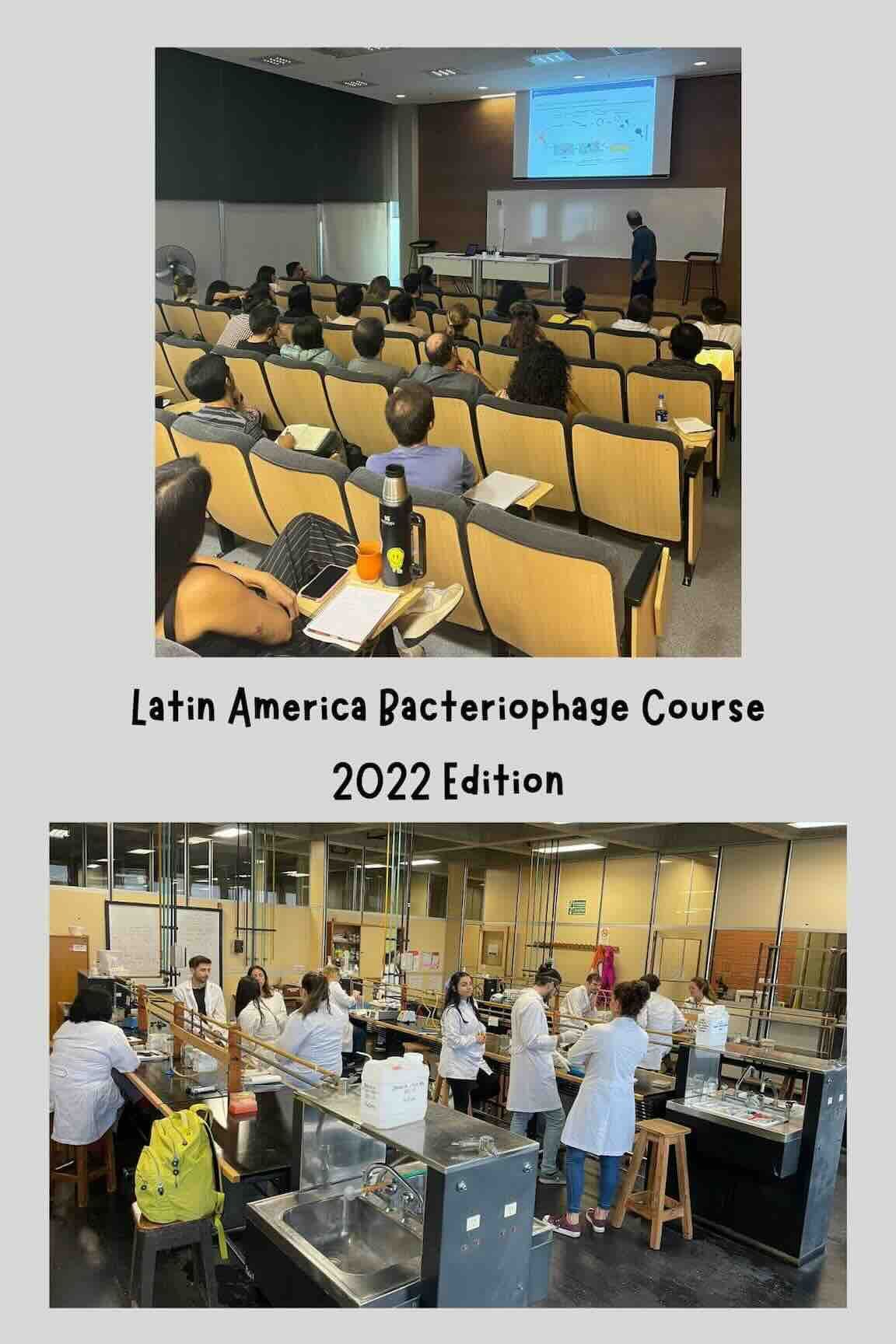
Figure 2. Lecture session (top panel) and wet-lab session from the Latin American bacteriophage course, 2022 edition.
Students from most countries in Latin America have enrolled in the course (Argentina, Bolivia, Brazil, Chile, Colombia, Costa Rica, Cuba, Ecuador, Guatemala, Mexico, Panama, Paraguay, Peru, Uruguay, and Venezuela). Most of them were PhD students, but also postdocs and both young and senior investigators, and people belonging to phage companies. In fact, this article’s authors have all participated in different editions of the aforementioned international course (Natalia Echeverría from Uruguay, in 2015; Dácil Rivera, from Chile, in 2016; and Santiago Hernández, from Colombia as well as Florencia Payaslián, from Argentina, in 2017), and are currently engaged in phage research in academia and/or industry.
Course success and prestigious phage experts’ participation
The success of the first course in 2015 led to its repetition in subsequent years, including 2016, 2017, 2019, 2022, and 2024. 2022 Edition was the most attended one and included 35 students (Figure 3). Additionally, the course included lectures from several esteemed international bacteriophage experts who provided the program with high-quality presentations over the years (Graham Hatfull - University of Pittsburgh, USA; Bas Duthil - Utrecht University, Netherlands; University of Rio de Janeiro, Brazil; Martha Vives - Universidad de Los Andes, Colombia; Andrea Quiberoni - INLAIN, Argentina; Sylvain Moineau - Laval University, Canada; Ramy Aziz - Cairo University, Egypt; Peter Fineran - University of Otago, New Zealand; Martin Loessner - ETH Zurich, Switzerland; Leticia Bentancor - UNQui, Argentina; Vanina Grippo - ICT Milstein, Argentina; Leonardo Erijman - INGEBI, Argentina; Martha Clokie - University of Leicester, UK; Nicholas Taylor - University of Copenhagen, Denmark; Joana Azeredo - Minho University, Portugal; Alejandro Reyes - Universidad de los Andes, Colombia; Nancy Lopez and Adrián Turjanski - UBA, Argentina).
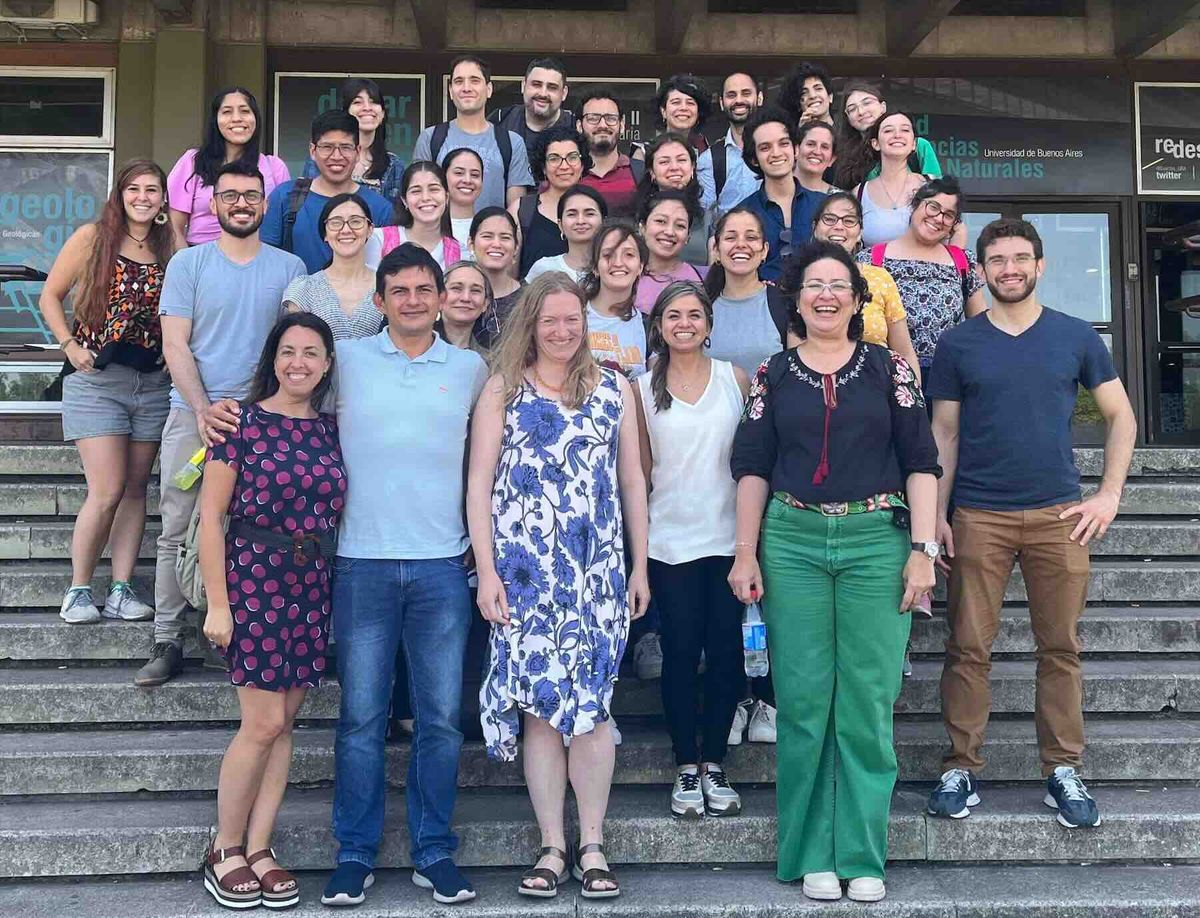
Figure 3. 2022 course edition’s participants. In the front row are the course organizers and lecturers (from left to right: Mariana Piuri, Alejandro Reyes, Martha Clokie, and Martha Vives)
The Argentinian Network of Bacteriophages and the first Latin American Phage Meetings in Buenos Aires
Furthermore, in 2019 the Argentinian Network of Bacteriophages was established, bringing together bacteriophage laboratories across Argentina. The network’s objective is to strengthen the national phage community and enhance collaborations with other laboratories and groups from Latin America. In light of these developments, the First Latin American Phage Meeting was held in Buenos Aires that same year. This event was the first bacteriophage meeting held in the region, congregating research scientists and phage companies from all over Latin America. In 2022, the Second Latin American Phage Meeting was held again in Buenos Aires, with more than 120 participants (Figure 4). Both meetings were course-associated events that featured prominent international lecturers such as Martin Loessner, Alejandro Reyes, Maite Muniesa, Martha Vives, and Martha Clokie.
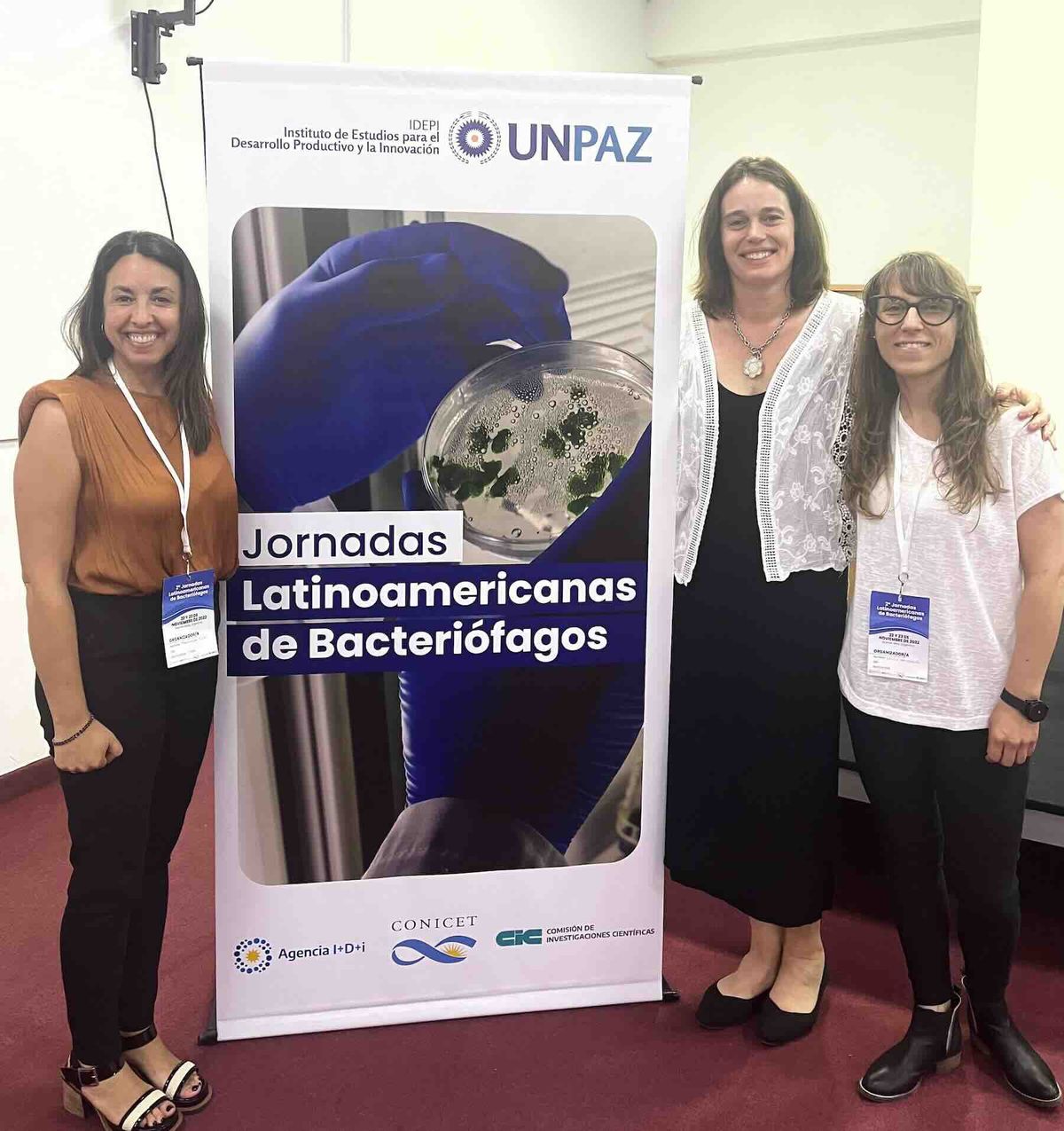
Figure 4. Second Latin American Phage Meeting’s organizers from Argentina (from left to right: Mariana Piuri, Alejandra Kruger - Centro De Investigacion Veterinaria De Tandil, and Leticia Bentancor - Universidad Nacional de José C. Paz; not present: Paula Luchesi - Centro De Investigacion Veterinaria De Tandil).
Coming soon: Phage Option 2024 - 3rd Latin American Phage meeting
The bacteriophage field has witnessed a surge in recent years, with the research community in Latin America playing a pivotal role in the advancement of phage therapy alternatives and the development of phage-derived biotechnological tools to address regional challenges in resource-limited settings. Training and the establishment of a robust network are of paramount importance to achieving these objectives.
With these goals in mind, the 3rd Latin American Phage Meeting is being organized, this time at the Caribbean location of the Universidad de los Andes, in Cartagena, Colombia (December 4th to 6th, 2024). In addition to the previously invited speakers (Dr. Martha Vives, Dr. Mariana Piuri, and Dr. Alejandro Reyes), other influential voices at the forefront of human, animal, and plant health will be participating, including Dr. Alexander “Sandro” Sulakvelidze (President and CEO Intralytix, Inc), Sofía Corte-Real (CSO and Deputy CEO Technophage), PhD(c) Juan Camilo Farfán (Departamento de Ciencias Biológicas, Universidad de los Andes), Dr. Frenk Smrekar (CEO JAFRAL), Dr. Jessica Sacher (Staff Scientist, Bollyky Lab, Stanford University, and co-creator of Phage Directory), Dr. Krystyna Dąbrowska (Phage Molecular Biology Lab, Institute of Immunology and Experimental Therapy, Polish Academy of Sciences), Dr. Sandra Morales (Managing director of Phage Consulting Pty Ltd), Dr. Pilar Donado (Corporación Colombiana de Investigación Agropecuaria AGROSAVIA), and Dr. Viviana Clavijo (CEO Sciphage S.A.S).
Moreover, on this occasion, Phage Option would also like to involve physicians and veterinarians in the meeting to promote the use of bacteriophages in human and animal health in Latin America. For this reason, the organizers are extending the invitation to the medical community.
If any Latin American (or international) phage enthusiast is hoping to attend, please bear in mind the deadline for abstract submission is September 10th, 2024. Discounted registration fees are available before September 30th. For information on topics included, registration fees, and more, please visit
https://ciencias.uniandes.edu.co/eventos/56-eventos/643-phage-option-2025-english-version
We all hope to see you there!

Natalia Paola Echeverría
I recently started my first independent line of research on phages important in the control of human pathogens. I did my bachelor's and master's thesis on bacterial antibiotic resistance and later my PhD thesis on hepatitis C virus genetic diversity and translational attenuation. I'm looking for collaborations in bioinformatics as well as research exchange opportunities.


Dacil Rivera
Hello My name is Dacil Rivera. I am a young researcher from Chile. I have worked isolating and characterizing Salmonella and Xanthomonas phages.